The EV technician gap — and how to close it in your workshop
India will need tens of thousands more trained EV technicians within a few years, while only a small share of the current workforce is ready. That gap is a genuine opening for independent workshops.
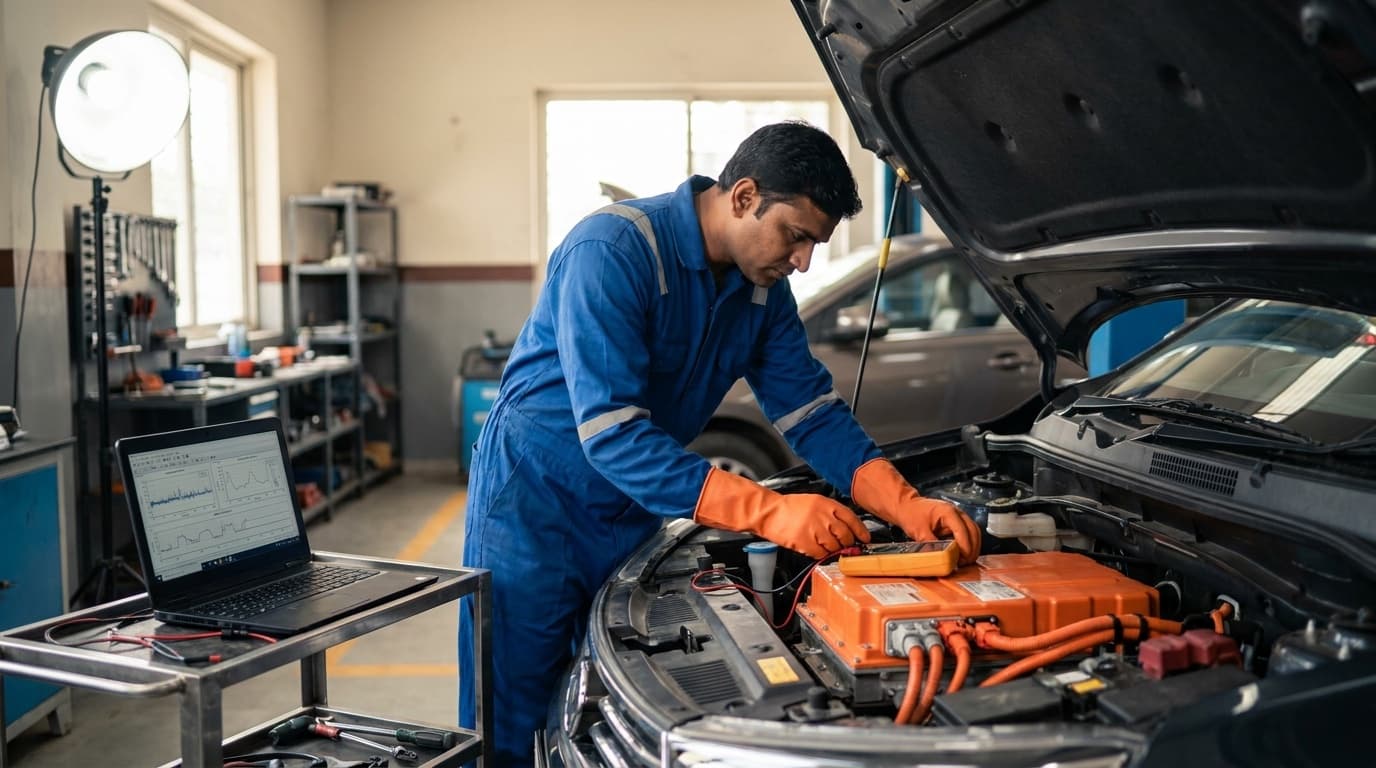
Electric vehicles are arriving on Indian roads faster than the workforce trained to service them. Industry estimates suggest only a small fraction of the existing service workforce has had meaningful EV-specific training — even as the number of electric two-wheelers and cars climbs into the millions.
That gap is a genuine bottleneck for the country's EV transition. It is also, for a workshop willing to move early, one of the clearest opportunities in the aftermarket today.
The scale of the gap
The direction is not in doubt. As the EV parc grows, the country is expected to need tens of thousands more certified EV technicians within the next couple of years than it currently has trained. Workshops that build this capability early won't be competing on the same crowded ground as everyone else — they'll be among the few able to take on work most bays still turn away.
Why EV service is a different craft
EV service is not the internal-combustion job you already know with a different badge. The fundamentals of honest, careful work carry over; the technical foundation has to be built deliberately. It calls for:
- High-voltage safety and battery isolation procedures.
- Insulated tools and proper personal protective equipment.
- Battery and battery-management-system (BMS) diagnostics.
- Thermal-management and cooling-system service.
- An understanding of regenerative braking and its effect on brake wear.
- Comfort reading data and firmware over the vehicle's networks (CAN and beyond).
Start where the volume is: two- and three-wheelers
Electric two- and three-wheelers are electrifying fastest and pass through workshops in far greater numbers than EV cars. They are a pragmatic on-ramp: lower complexity, high footfall, and a real-world way to build high-voltage discipline and diagnostic habits before you take on electric cars.
A practical upskilling ladder
- 1Foundation: high-voltage safety awareness for everyone who will work near an EV — non-negotiable, and the first step for the whole team.
- 2Certified EV service technician training through recognised programmes, with hands-on and on-the-job hours.
- 3Specialisation: battery diagnostics, BMS and make-specific tooling for the vehicles you see most.
- 4Shop readiness: insulated tools, PPE, a marked high-voltage work area, safe battery handling and clear signage.
The bays that invest in EV skill now will be the ones customers trust when their warranty runs out.
— AIAWA
Where AIAWA fits
Sending one technician on an expensive course is hard for a small workshop to justify. Doing it together is not. Through group training and access to structured certification, members can upskill their teams and invest in the right tooling without carrying the full cost or the full risk alone — turning a looming shortage into a shared advantage. Education is one of the association's founding principles for exactly this reason.
More from the blog
All articles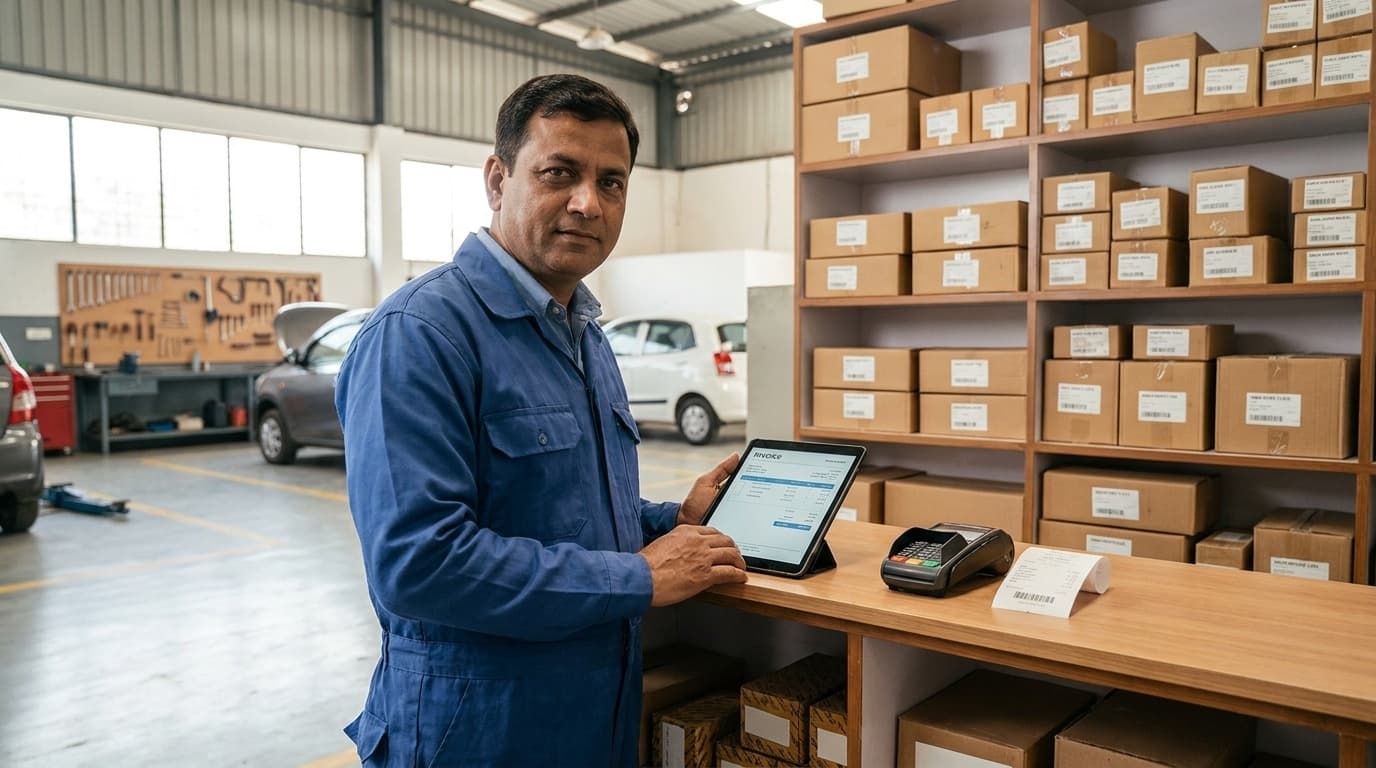 Policy
GST 2.0: what a flat 18% on parts means for your workshop
The September 2025 reform put nearly every spare part at a single rate. Here's how to turn that clarity into cleaner billing, fairer prices and healthier cash flow.
 Technology
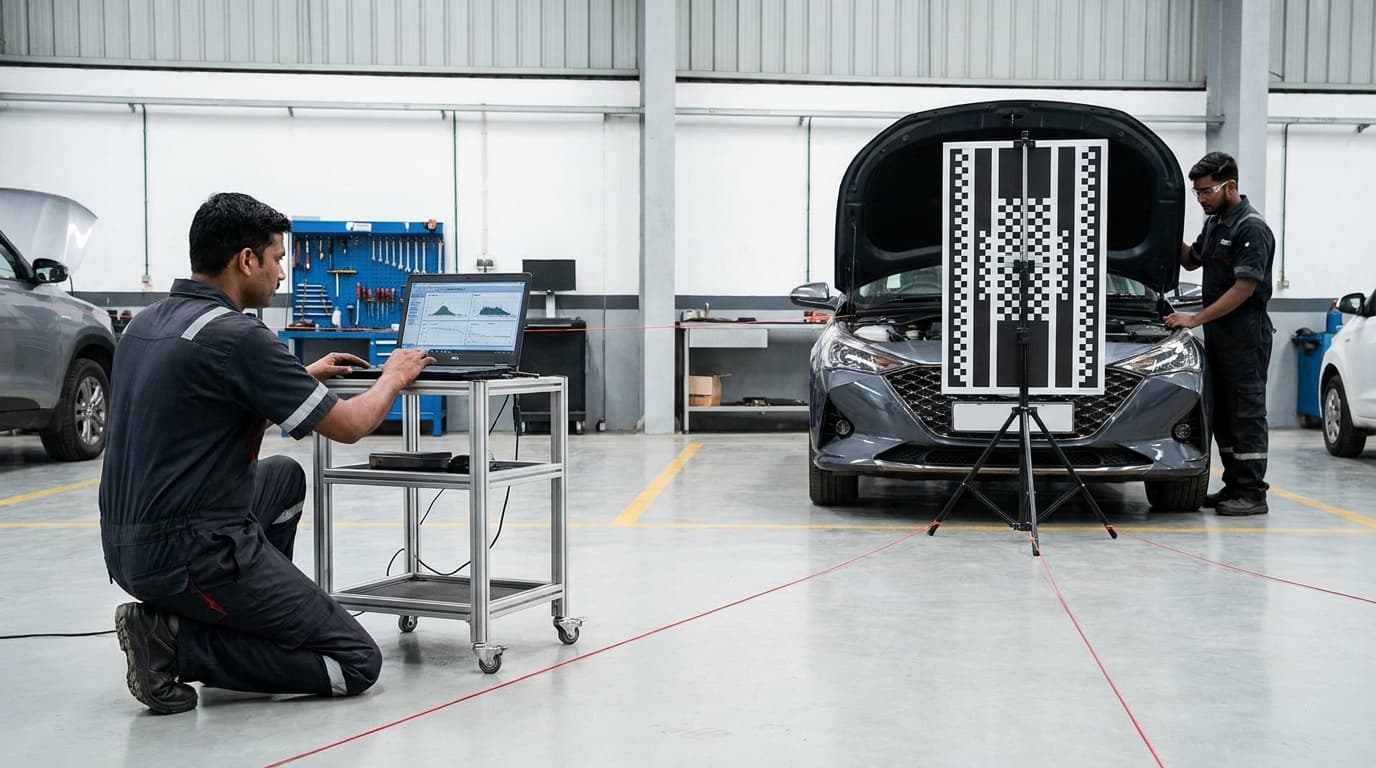
ADAS calibration: the high-value service your bay is missing
As Bharat NCAP pushes driver-assist tech into everyday cars, sensor recalibration is quietly becoming routine work — and one of the best-paid services an independent bay can offer.
 EV & Hybrid
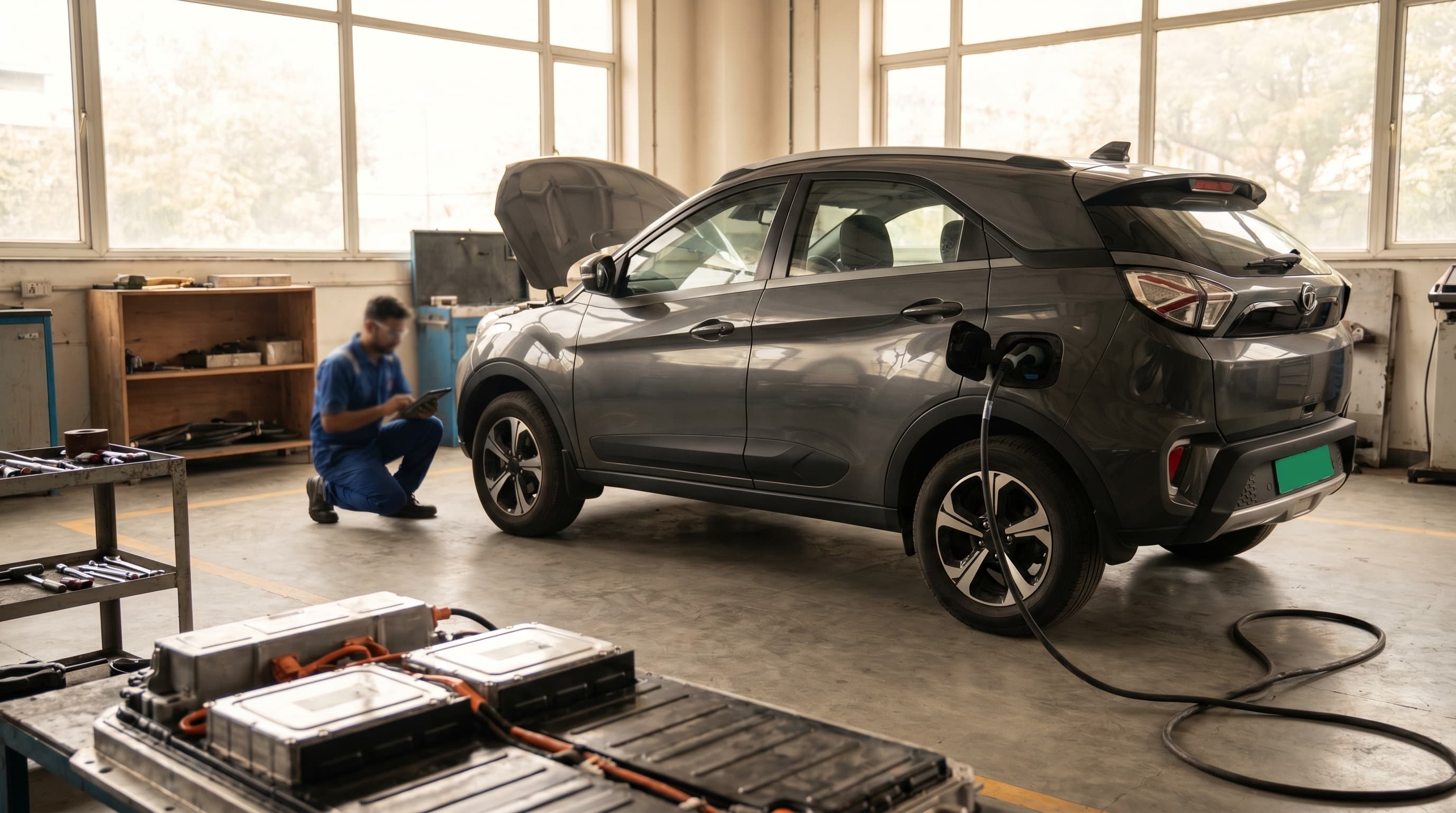
Navigating the EV transition: a strategy for independent workshops
Electric drivetrains change the maths of the service bay — but not overnight, and not in the way many owners fear. A practical strategy for the mixed-fleet decade ahead.