GST 2.0: what a flat 18% on parts means for your workshop
The September 2025 reform put nearly every spare part at a single rate. Here's how to turn that clarity into cleaner billing, fairer prices and healthier cash flow.

For years, quoting the right tax on a spare part meant knowing its classification. Some components attracted 18%, others as much as 28%, and the difference wasn't always obvious across a mixed job card of filters, pads, sensors and body panels. Since 22 September 2025, that guesswork has largely gone: auto parts now attract a uniform 18% rate regardless of their tariff heading.
For an independent multi-brand workshop, the reform is quiet but real. It touches your pricing, your invoices, your input credits and — if you handle it well — the trust customers place in your bill. Here is how to make the change work for you rather than against you.
What actually changed
The headline is simplification. Where the aftermarket previously spanned multiple slabs, the vast majority of parts and accessories now fall under a single 18% rate. Fewer slabs means fewer classification disputes, cleaner quotations, and less room for honest mistakes at the counter.
Fix your billing this week
A better rate only helps if your systems reflect it. Work through this in order:
- 1Update the tax masters in your billing or accounting software so every affected part carries 18%. A single stale 28% entry overcharges the customer and distorts your GST returns.
- 2Reprice your displayed and quoted rates where the tax has come down, so the saving actually reaches the customer.
- 3Refresh printed rate cards, service estimates and any menu-pricing boards on the shop floor.
- 4Brief your front desk and service advisors so they can explain the new pricing confidently.
- 5Reconcile pre-reform stock so you aren't caught between old purchase tax and new selling tax.
Pass the benefit on — and be seen doing it
Where a part's tax has fallen, that saving belongs to the customer, not the counter. Passing it on is the right thing to do — and showing it plainly on an itemised bill is exactly the kind of transparency that separates a verified workshop from a roadside quote.
An honest, itemised invoice is not a compliance chore. It is the cheapest marketing a workshop can do.
— AIAWA
Protect your input tax credit
A cleaner rate structure is only worth it if you claim input tax credit correctly on the parts, consumables and equipment you buy. Small leaks here quietly erode margins:
- Insist on a proper GST invoice from every supplier — never settle for an informal cash bill on a purchase you intend to claim.
- Match your purchase register against your auto-populated returns every month, not once a year.
- If you run more than one location, get your Input Service Distributor mechanism right so common services are allocated correctly.
- Keep credit and debit notes clean when parts are returned or exchanged.
Don't lose margin on transitional stock
If you bought inventory before the change at the old tax and sell it after at the new one, plan the transition deliberately. Review what is on your shelves, understand the tax you paid versus the tax you now charge, and speak to your distributors about adjustments where margins are squeezed — a conversation many suppliers expect.
Where AIAWA fits
Policy shifts like this land on thousands of workshops at once, and the fine print rarely reaches every owner in time. That is precisely the gap an association closes — plain-language guidance when rules change, a shared reading of what it means for the bay, and a body that can carry members' concerns to where decisions are made. Working through it together beats each owner decoding a notification alone.
More from the blog
All articles Policy
Right to repair: what India's emerging framework could mean for you
Around the world, right-to-repair rules are giving independent workshops fairer access to the data, parts and tools that modern cars require. India's own framework is taking shape — here's what to watch.
 Technology
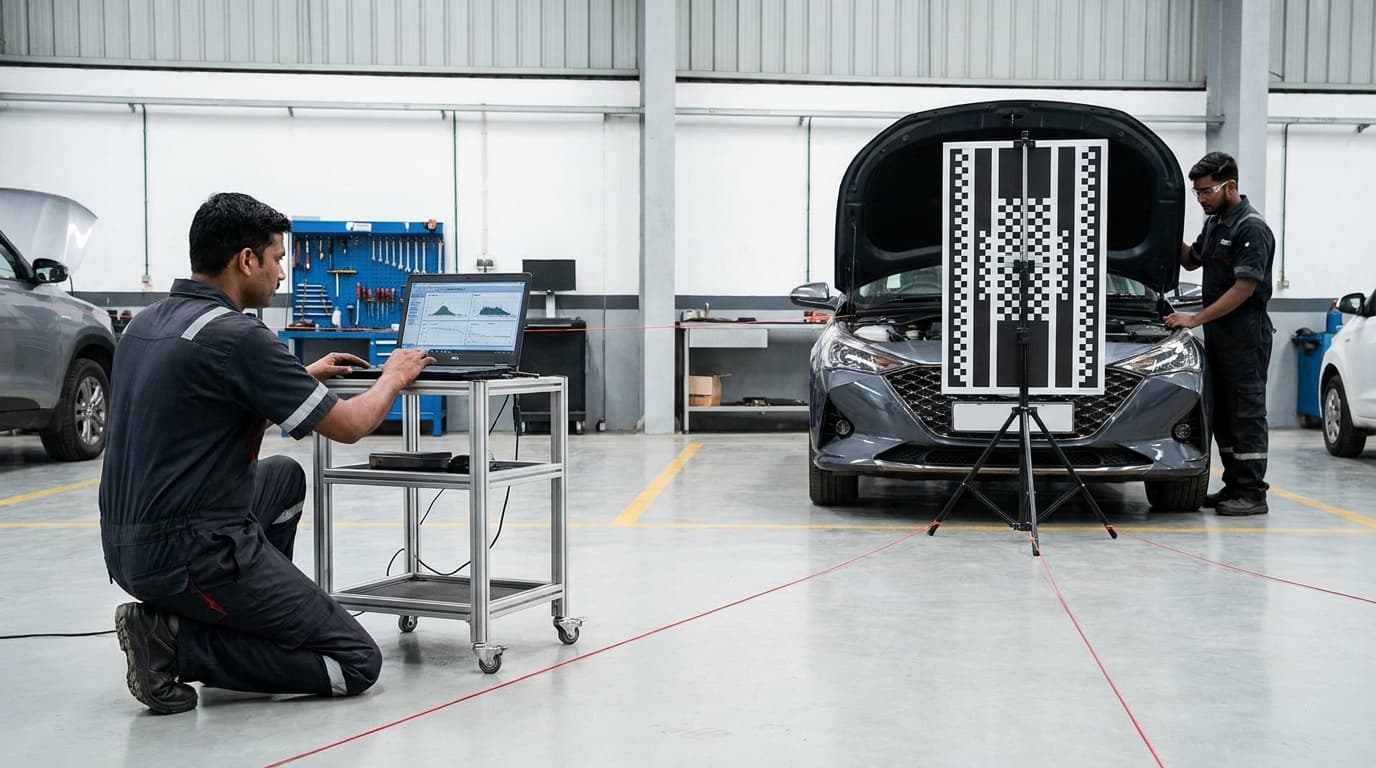
ADAS calibration: the high-value service your bay is missing
As Bharat NCAP pushes driver-assist tech into everyday cars, sensor recalibration is quietly becoming routine work — and one of the best-paid services an independent bay can offer.
 Skills
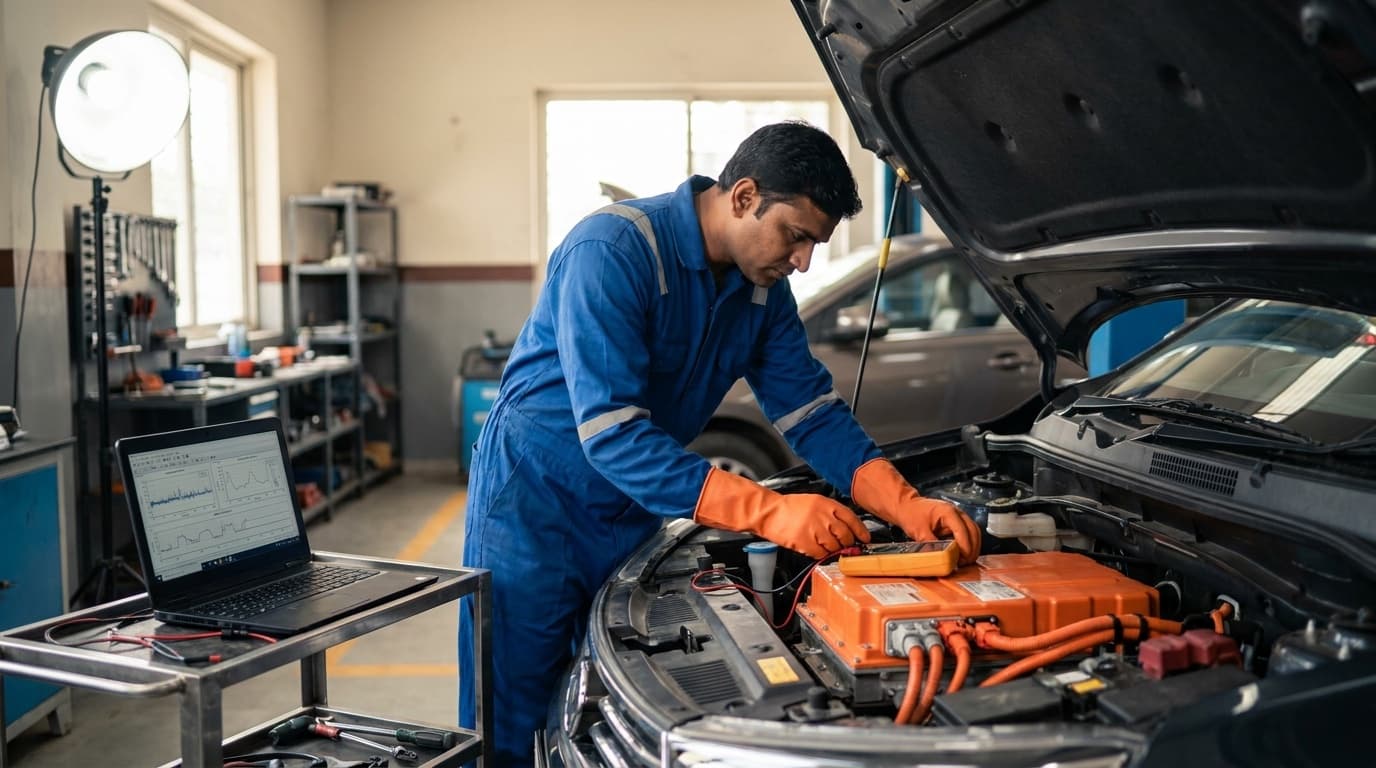
The EV technician gap — and how to close it in your workshop
India will need tens of thousands more trained EV technicians within a few years, while only a small share of the current workforce is ready. That gap is a genuine opening for independent workshops.