Right to repair: what India's emerging framework could mean for you
Around the world, right-to-repair rules are giving independent workshops fairer access to the data, parts and tools that modern cars require. India's own framework is taking shape — here's what to watch.
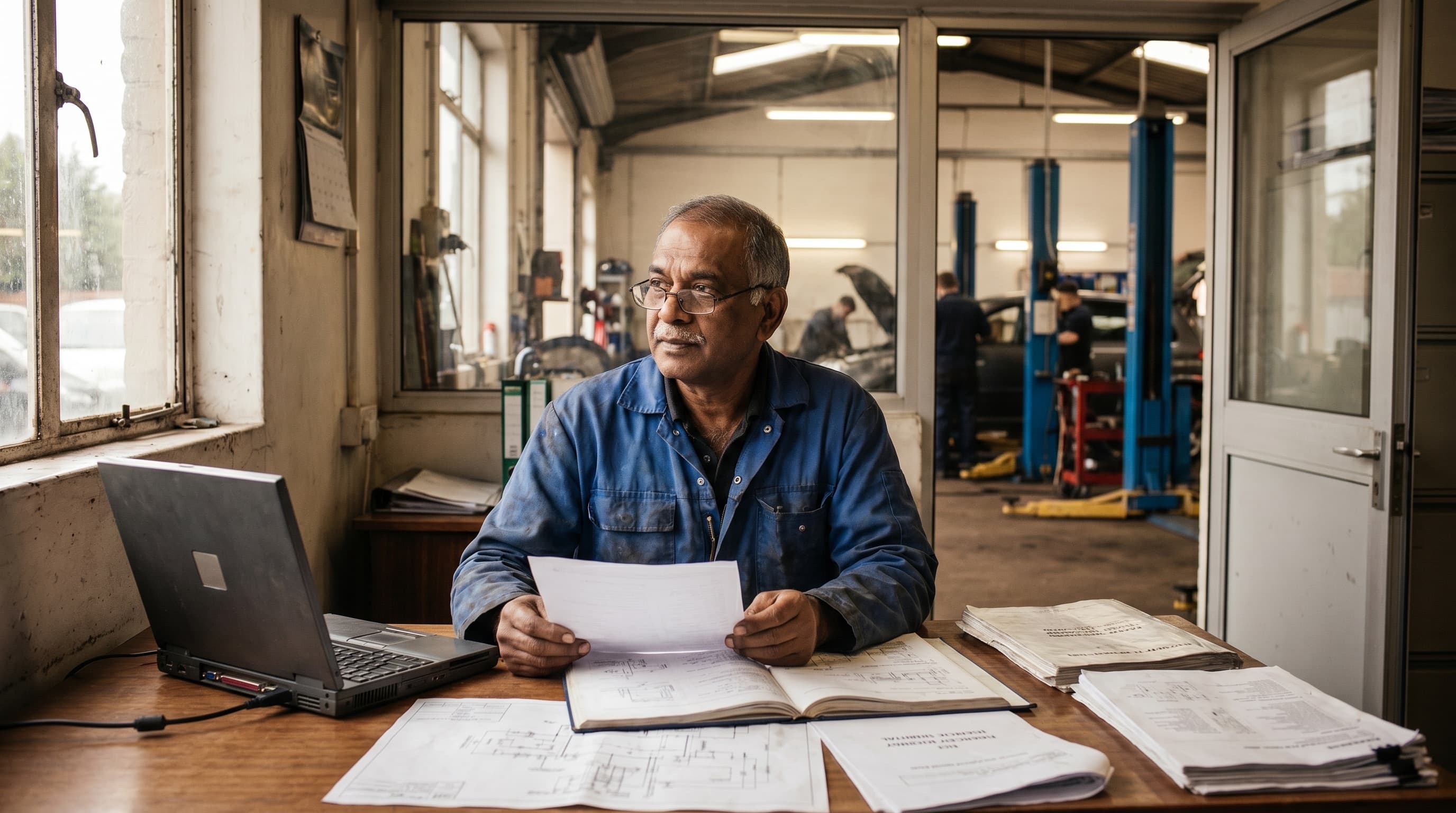
Around the world, right-to-repair frameworks are giving independent workshops fairer access to the data, parts and tools needed to service modern vehicles. India's conversation is well under way — and where it lands will shape how easily independents can service the cars of the next decade.
What 'right to repair' actually means
Stripped of the legal language, right to repair is about a level playing field. For an independent workshop, that means fair access to:
- Genuine spare parts, on reasonable terms.
- Diagnostic and repair tools.
- Technical information, repair procedures and service manuals.
- The software and data needed to complete a repair on a modern, connected vehicle.
The legal groundwork already exists
This is not a fresh idea in India. In Shamsher Kataria v. Honda Siel Cars India, the Competition Commission of India held that denying independent repairers access to spare parts, diagnostic tools and technical information amounted to an abuse of dominance. That ruling remains a cornerstone of the argument for independents.
What's taking shape now
A government-backed framework has been developing, with automobiles among the sectors identified alongside farming equipment, mobile phones and consumer durables. Proposals treat repair-related diagnostic data and software as something close to an essential facility — arguing for access on FRAND terms (fair, reasonable and non-discriminatory), with the Central Consumer Protection Authority expected to play an enforcement role. The details and timelines are still evolving, so treat specifics as emerging rather than settled.
What it could change for independents
- Fairer, more predictable access to genuine parts.
- Diagnostic data and tools on FRAND terms, so you can service newer models without being locked out.
- Formalisation and training pathways that bring skilled independents into the mainstream economy.
How to get ready now
- 1Invest in diagnostic capability and training so you can use wider data access the moment it arrives.
- 2Keep clean, professional service records — documentation is leverage.
- 3Note and report instances where genuine parts or technical data are unreasonably withheld.
- 4Add your workshop's weight to the collective voice on the issue.
Individual workshops rarely have a seat at the policy table. A national association can hold one for thousands at once.
— AIAWA
Where AIAWA fits
A single workshop cannot lobby, litigate or negotiate access on its own. A national body can represent the interests of thousands of owners where decisions are actually made — and translate a slow-moving policy debate into practical guidance for the bay. Advocacy is one of the association's core principles, and right to repair is exactly the kind of fight that only a collective can win.
More from the blog
All articles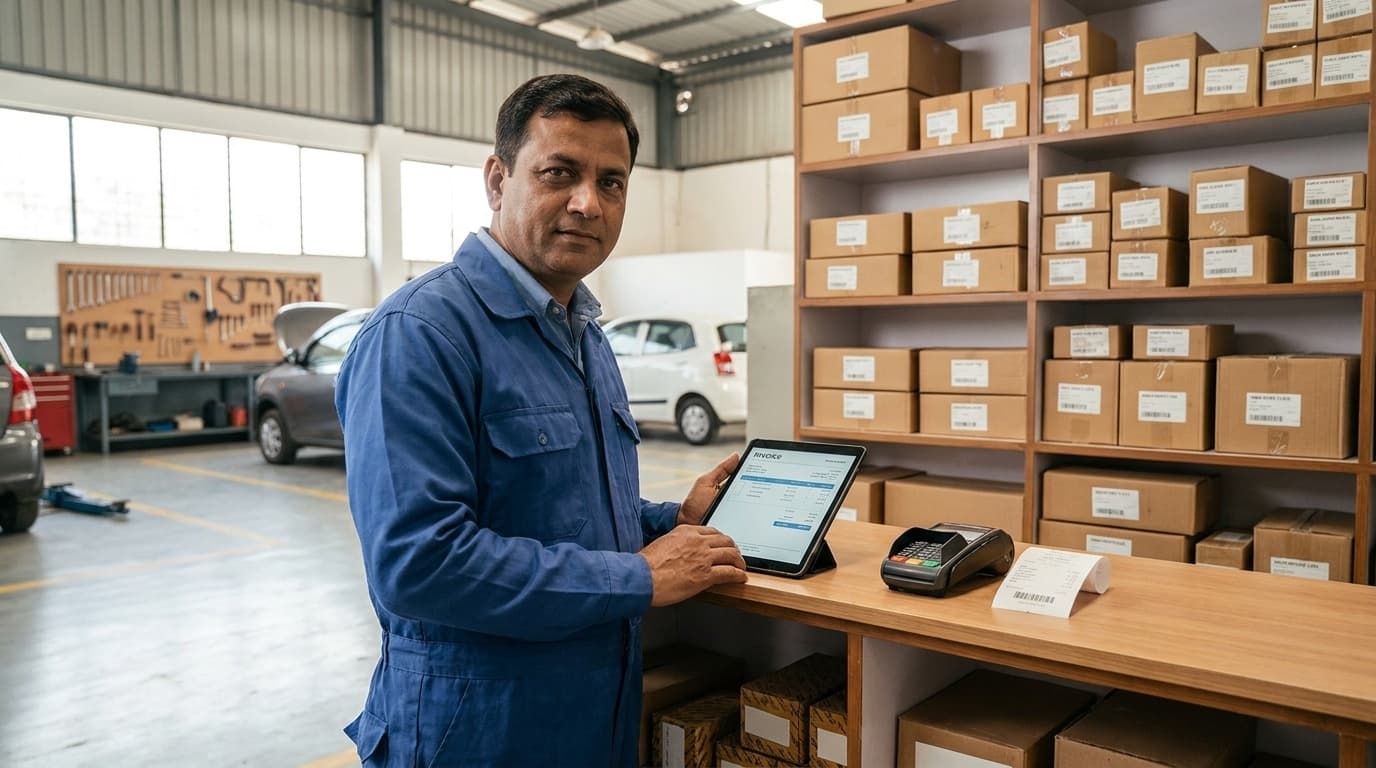 Policy
GST 2.0: what a flat 18% on parts means for your workshop
The September 2025 reform put nearly every spare part at a single rate. Here's how to turn that clarity into cleaner billing, fairer prices and healthier cash flow.
 Technology
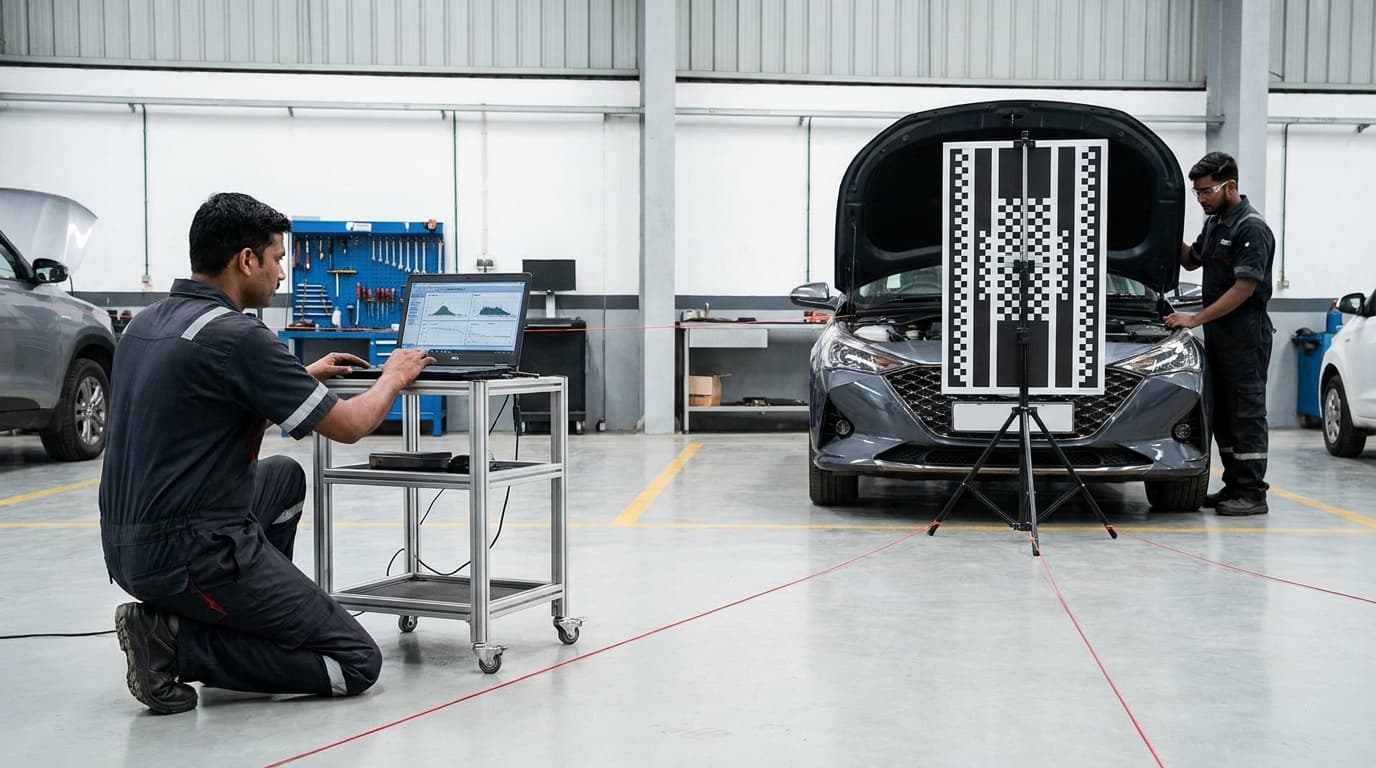
ADAS calibration: the high-value service your bay is missing
As Bharat NCAP pushes driver-assist tech into everyday cars, sensor recalibration is quietly becoming routine work — and one of the best-paid services an independent bay can offer.
 Skills
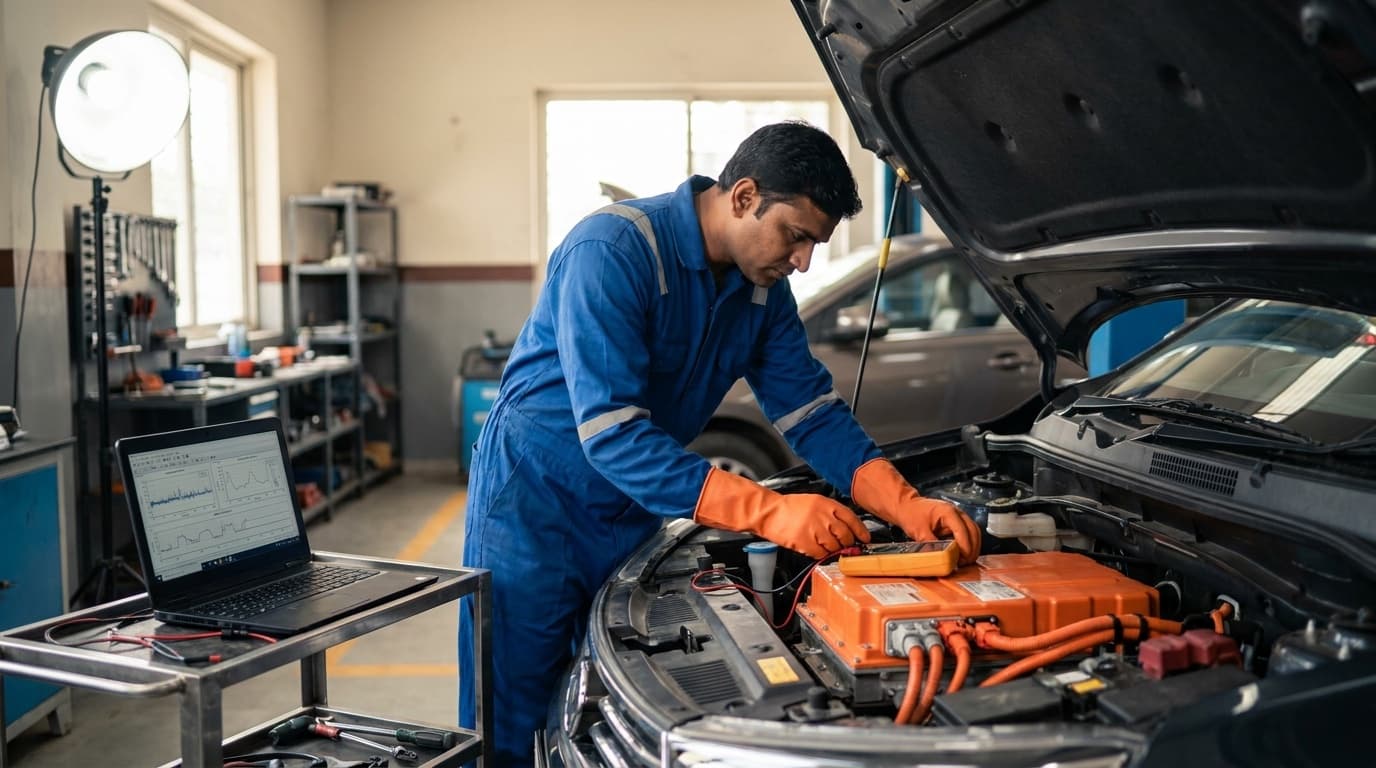
The EV technician gap — and how to close it in your workshop
India will need tens of thousands more trained EV technicians within a few years, while only a small share of the current workforce is ready. That gap is a genuine opening for independent workshops.